
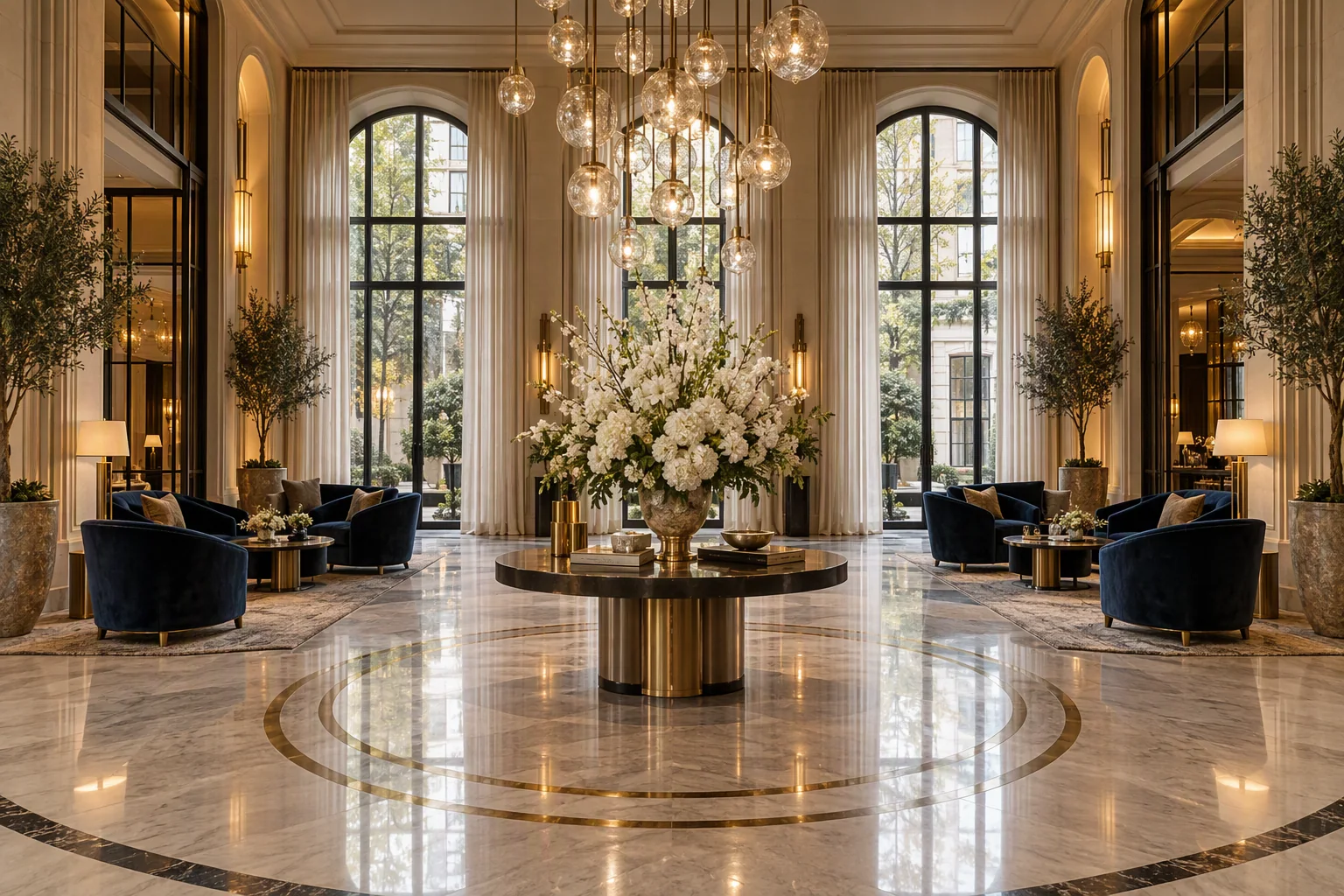
Behind the House
Why We Kept the Farmhouse Instead of Building a Hotel
We bought a leaking 1948 farmhouse in 2008 with a plan to knock it down and build a hotel. Eighteen years later the farmhouse is the hotel, and here is why that turned out to be the right decision.
- history
- restoration
- prairie
- architecture
- the house
Behind the house
The building we nearly knocked down
The farmhouse was built in 1948 by a family named Halsey, who kept cattle on the land and grew a kitchen garden where our spa now stands.
I want to be honest about how close we came. Michael and I had a set of drawings from a Kansas City architect for a new building, low and modern and built into the slope, with twenty-four rooms and a proper commercial kitchen. It would have been straightforward.
Eighteen years
How the house came back
The restoration ran in fits and starts, financed by everything we had and a good deal we did not. This is the honest sequence.
-
2008
The purchase
We bought the farmhouse and twelve acres at a county auction in June, with a demolition quote already in hand. The roof had failed, the well was dry and the three oak trees on the south lawn were the only thing in good condition.
-
2009
The roof and the floors
A storm brought down the front-room ceiling and revealed the original oak boards underneath. We cancelled the demolition, replaced the roof with standing-seam metal and spent the winter sanding floors by hand.
-
2010
Three rooms and a kitchen table
We opened with three guest rooms and one long table in what is now the library. Michael cooked. I made the beds. The first guests were a couple from Chicago who had read about us in a newspaper column and arrived expecting a bed and breakfast.
-
2012
The hearth
We took out a wall between the old parlour and the kitchen and built the wood-fired hearth at the centre of the house. It was the first thing we built new, and it set the tone for everything that followed.
-
2014
The spa and the cellar
We dug out the old root cellar under the east wing and turned it into the Cellar Bar, and converted the dairy building into the spa. The cellar was full of silt and, oddly, a set of 1950s preserving jars, all intact.
-
2018
The prairie begins
We stopped mowing eleven of the twelve acres and began restoring the native grasses with seed from a remnant prairie in the Flint Hills. The first year looked like a field of weeds. The third year looked like a prairie.
In the walls
The things the Halseys left behind
You learn a lot about a family when you take their house apart.
There was a shoebox behind the chimney breast in the front room containing eleven letters, all from a man named Walter Halsey to a woman named Ruth, posted from a naval base in California between 1943 and 1945. They are careful and shy and full of the weather.
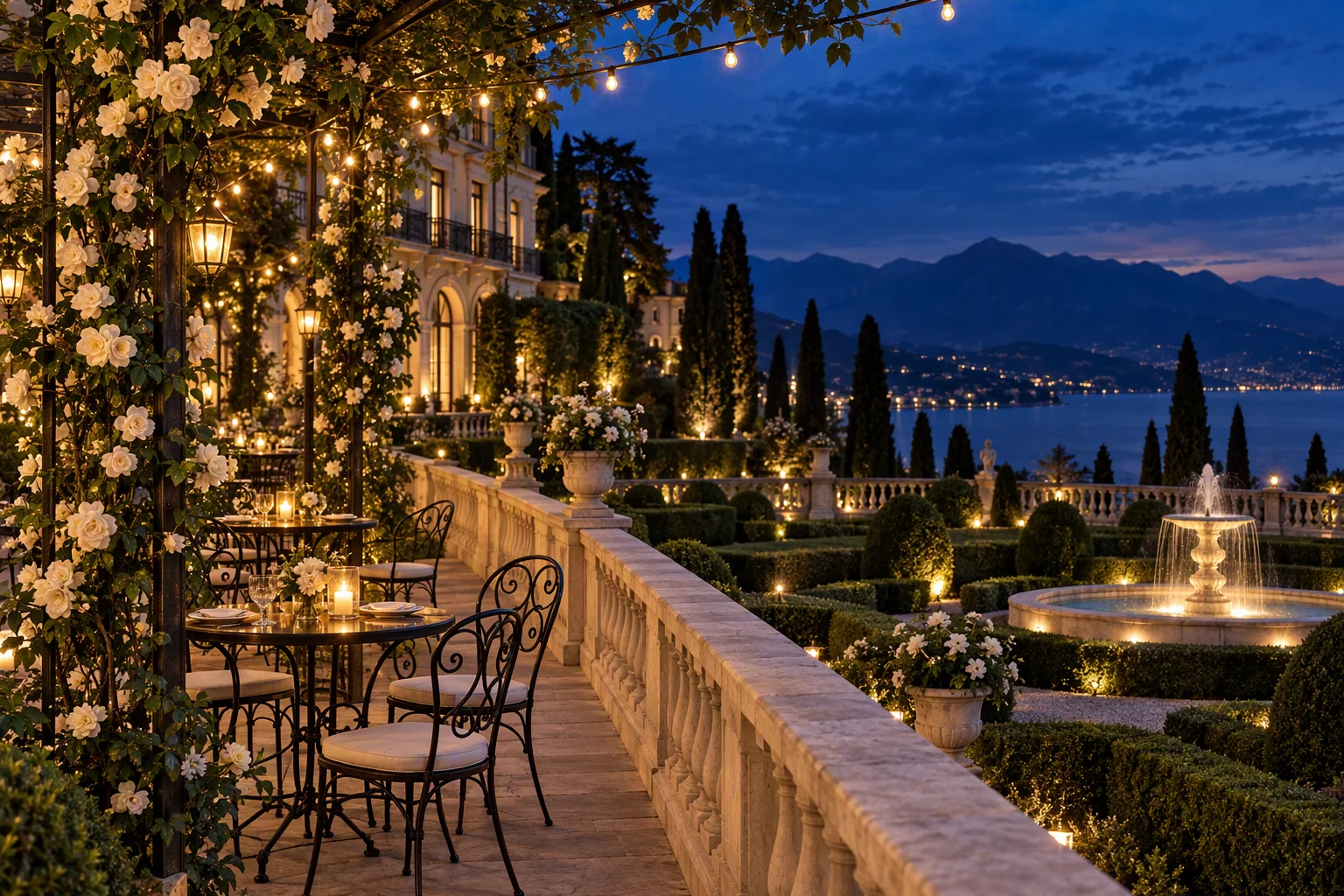
The south lawn
The three oaks we built the hotel around
The three oak trees on the south lawn are older than the house by at least a century. When we were still planning the new building, the architect’s scheme would have taken the easternmost one down to make room for the parking court.
We moved the parking. We moved the terrace. We moved the path guests take from the orchard to the ballroom, so that it curves around all three trees rather than between them.
- The easternmost oak predates the house by roughly a century
- The parking court was moved forty feet to save it
- Every summer wedding ceremony is held in their shade
- The guest rooms are named after the old orchard trees, not numbered
The limits
What the old building would not let us do
Keeping the farmhouse meant accepting a set of constraints that a new building would never have imposed. The rooms are not uniform, because the original house was not.
The ceilings are low in the oldest part and high in the addition, which means the acoustics change as you walk from the lobby into the dining room. The plumbing had to be rerouted around a foundation we could not touch.
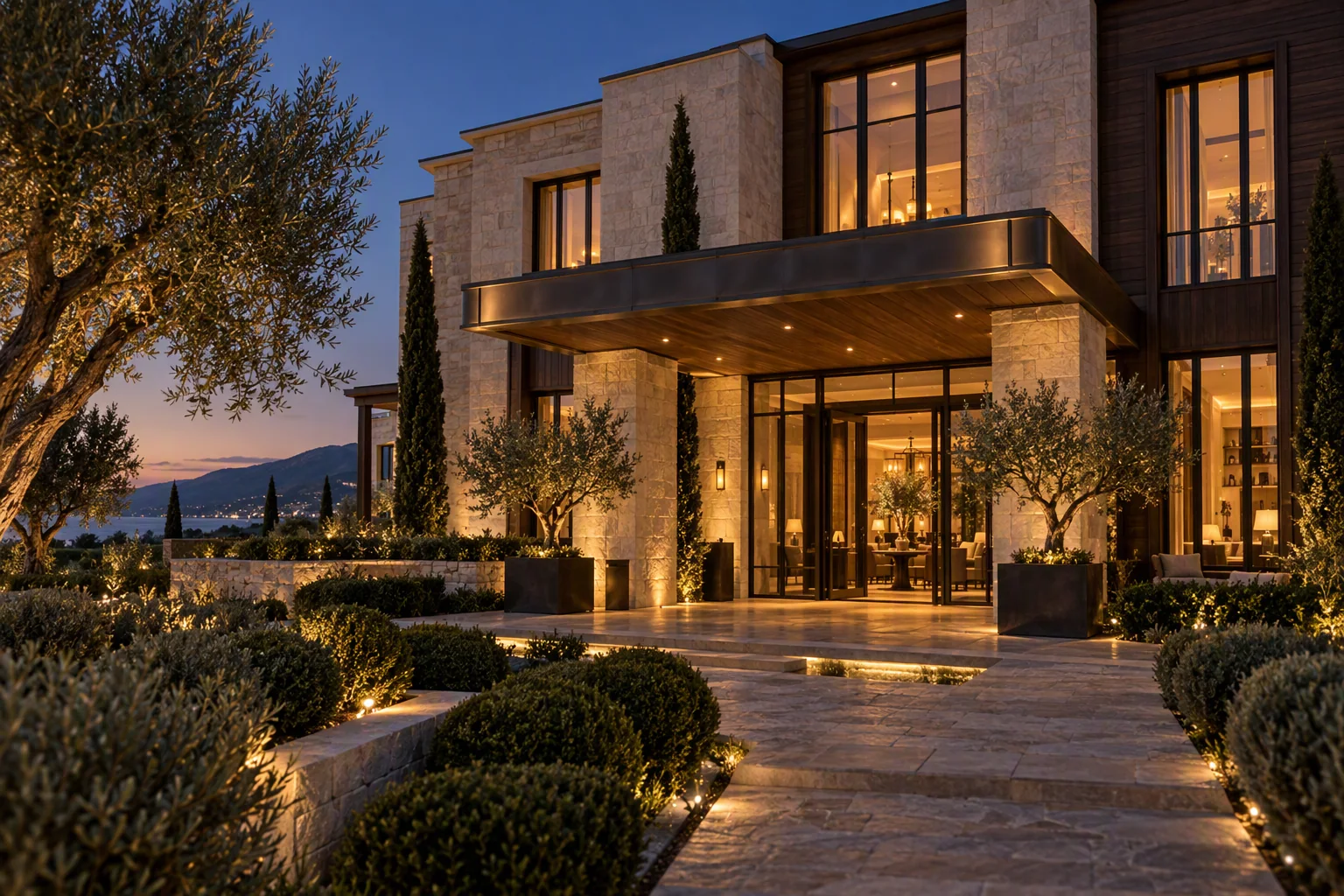
Twelve acres
Giving the land back to the grass
The twelve acres around the house were, when we bought them, mown pasture and a little scrub. We kept mowing for the first ten years because it was tidy, and tidiness is a hard habit to break.
So we stopped. We seeded eleven acres with a mix from a remnant prairie in the Flint Hills, big bluestem and little bluestem, Indian grass, switchgrass, and a long list of forbs with names I had to learn. The first year it looked like a neglected field.
- Eleven of the twelve acres are now native prairie
- The seed came from a remnant prairie in the Flint Hills
- The bobolinks returned in the third year
- The west trailhead is open to guests at sunrise
What eighteen years produced
A few figures from the restoration, for the guests who like them.
- 1,948 The year the farmhouse was built
- 2,008 The year we bought it at auction
- 12 Suites, after the final phase
- 11 Acres restored to native prairie
The point of it
Why we did not build the hotel we planned
People ask, sometimes, whether we regret not building new. The honest answer is that we regret the money, occasionally, and nothing else.
A hotel is a strange kind of building. It is a business and a home and a public place all at once, and most of them solve the problem by being as neutral as possible, so that no guest feels out of place.
If you visit
What to look for when you stay
Small details from the restoration, if you like that sort of thing. We do.
- The wide oak boards in the front room, found when the ceiling came down in 2009
- The pencil orchard map on the library wall, drawn on a scrap of feed sack
- The uneven floorboards in the hall, which we chose not to level
- The hand-painted room names, taken from the trees in the old orchard
- The original root cellar, now the Cellar Bar, dug out by hand in 2014
- The three oaks on the south lawn, older than the house by a century
- The west trailhead, open at sunrise, at the edge of the restored prairie
- The cupboard in the east wing that we have never opened
You cannot buy wood like this anymore. That was the sentence that saved the house, and everything since has been a footnote to it.
Good to know
Questions about the house
The things guests ask when they find out how old the building is.
When was the farmhouse built, and by whom?
It was built in 1948 by a family named Halsey, who kept cattle on the land and a kitchen garden where the spa now stands. We bought it at auction in 2008 and restored it rather than demolishing it.
Are the rooms all the same?
No, and that is deliberate. The original house was not uniform, so the rooms are not either. Some are long, some have a chimney breast in the corner and two share an eighteen-inch wall.
What did you find during the restoration?
A 1948 newspaper folded around a pipe, a child’s marble, a ration book with two stamps left, a pencil map of the old orchard and eleven wartime letters.
Can guests walk on the prairie?
Yes. The west trailhead is open to guests, and a twenty-minute walk to the ridge at sunrise is the thing guests mention most often afterwards. Eleven of our twelve acres are now native prairie.
Why did you not just build a new hotel?
We nearly did. We had drawings for a modern building with twenty-four rooms and a demolition quote in hand.
Come and see what we kept
Twelve suites in a restored 1948 farmhouse, a wood-fired dining room, a cellar bar and twelve acres of prairie. Tell us when you would like to come and we will save you a room named after a tree.
Keep reading
More from the Journal
-
 Kansas City
A Proper Weekend in Kansas City, Written by the People Who Live Here
Forty-eight hours is enough for the Nelson-Atkins, the River Market, a barbecue argument and the streetcar, if you put the days in the right order. Here is the version we hand to friends.
Read article
Kansas City
A Proper Weekend in Kansas City, Written by the People Who Live Here
Forty-eight hours is enough for the Nelson-Atkins, the River Market, a barbecue argument and the streetcar, if you put the days in the right order. Here is the version we hand to friends.
Read article
-
 Weddings
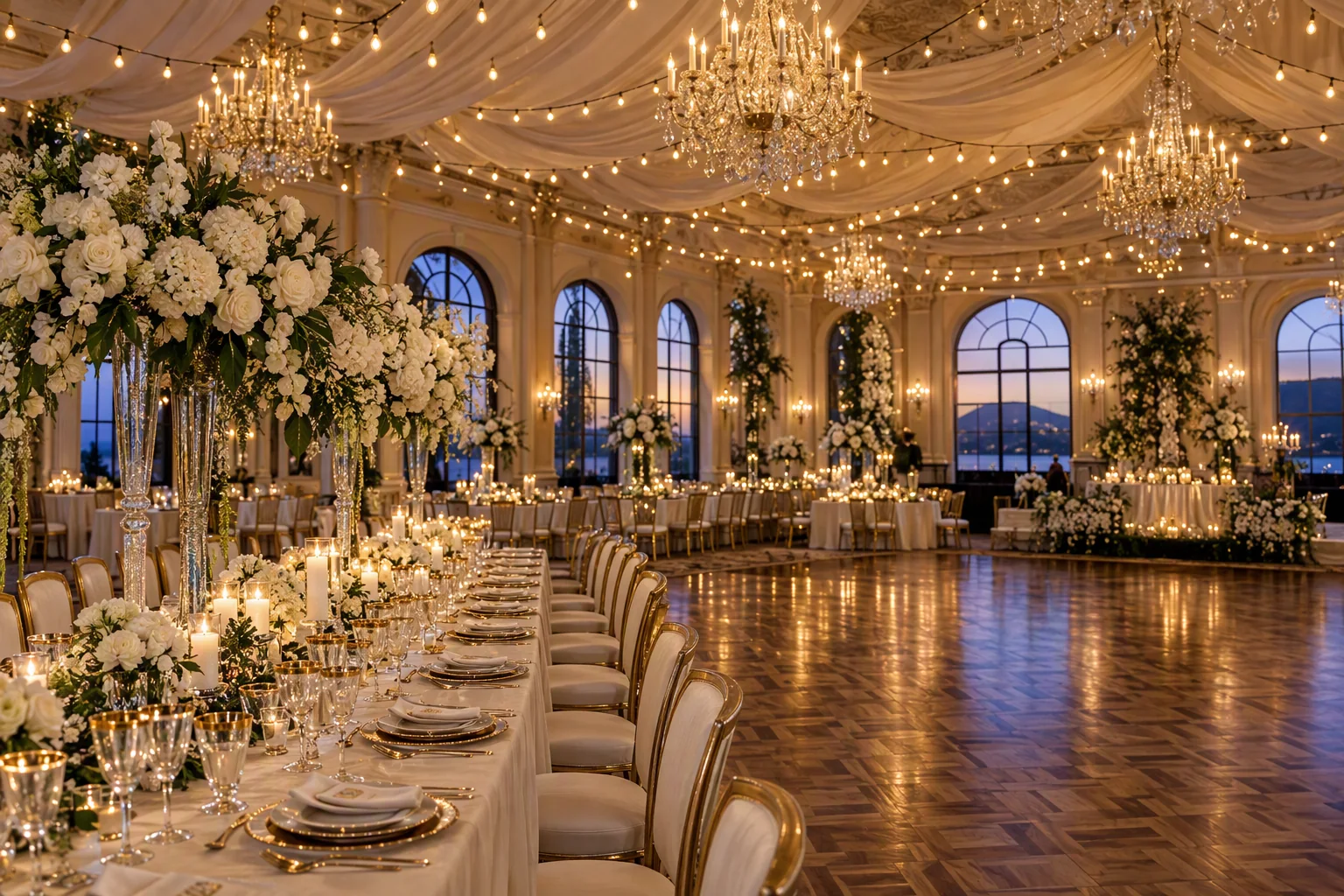
What to Pack for a Prairie Wedding (and What to Leave at Home)
The south lawn has a wind that takes hats off, the evening cools faster than anyone expects, and almost everyone forgets the same three things. Here is what to bring, and what to leave in the car.
Read article
Weddings
What to Pack for a Prairie Wedding (and What to Leave at Home)
The south lawn has a wind that takes hats off, the evening cools faster than anyone expects, and almost everyone forgets the same three things. Here is what to bring, and what to leave in the car.
Read article
-
 Food & Drink
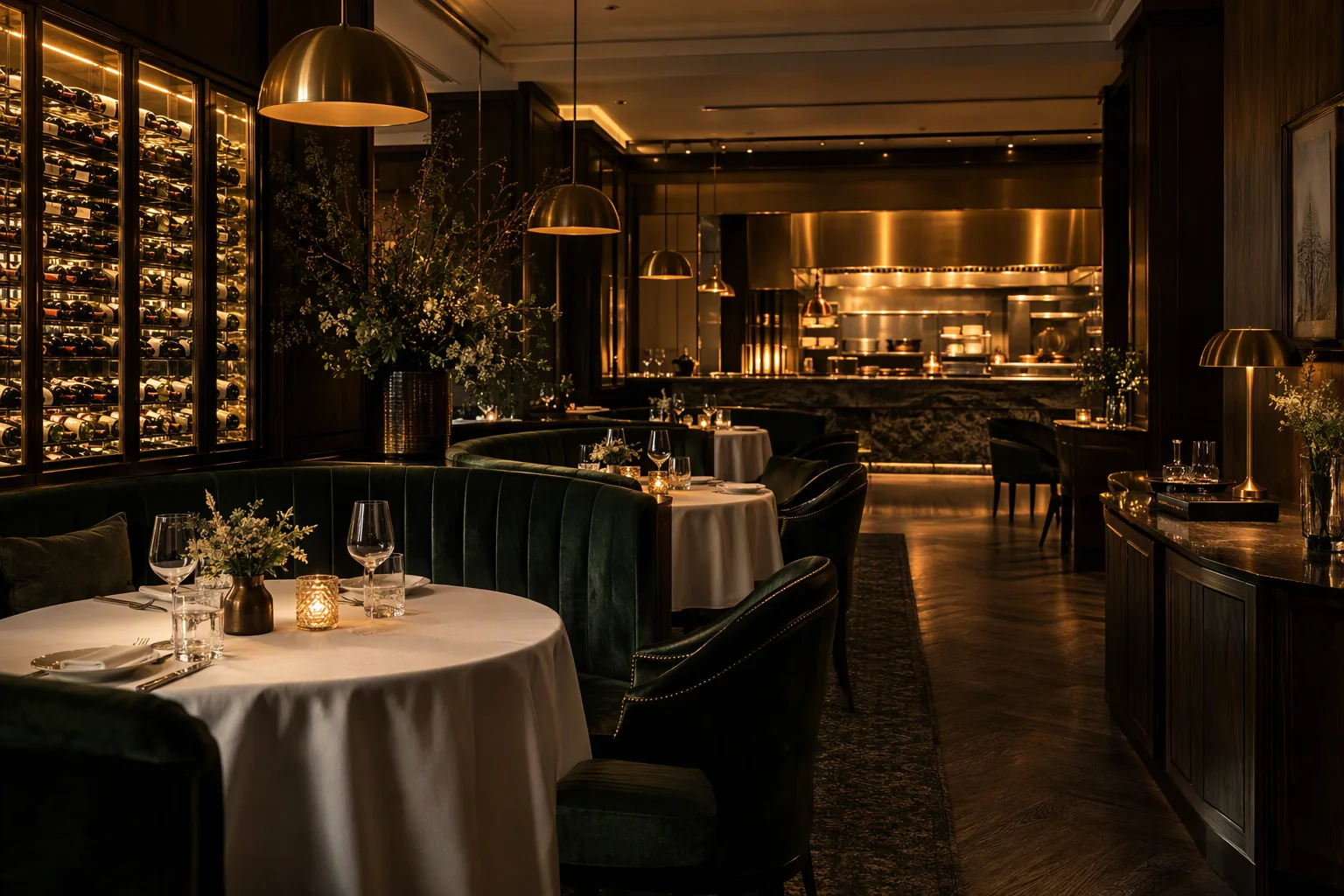
The Case for Eating at the Counter
There are four stools at the counter by the hearth, and they are the best seats in the house. Here is why I opened them, what you see from them and what to ask for when you sit down.
Read article
Food & Drink
The Case for Eating at the Counter
There are four stools at the counter by the hearth, and they are the best seats in the house. Here is why I opened them, what you see from them and what to ask for when you sit down.
Read article
Come and see what we kept
Twelve suites in a restored 1948 farmhouse, a wood-fired dining room, a cellar bar and twelve acres of prairie. Tell us when you would like to come and we will save you a room named after a tree.
- Lowest rate guaranteed when you book direct
- Breakfast for two and valet parking included
- The Prairie Escape from $279 a night
Two ways to book
Check availability Call (816) 555-0147Reception 24 hours · Dining 7a–10p · Spa 9a–8p
Need something tonight? Concierge on (816) 555-0148